If you are trying to figure out where Scott Township might fit into your home search, the challenge is that it does not read like one single neighborhood. In just under 4 square miles, you will find older road patterns, mid-century tract housing, townhouse and apartment pockets, commercial corridors, and quieter residential streets with very different feel from one area to the next. This guide will help you understand how Scott Township is laid out, what kinds of housing you are likely to see, and how access and daily convenience vary by pocket. Let’s dive in.
Scott Township at a Glance
Scott Township is a compact municipality in Allegheny County with about 3.9 square miles of land area. The township describes itself as roughly 3 miles southwest of Pittsburgh along Chartiers Creek, with terrain that ranges from about 800 to 1,100 feet above sea level.
That rolling topography matters more than you might expect. It helps explain why some streets feel more level and neighborhood-like, while others have sharper grades, more varied lot shapes, and a more layered street pattern.
From a land-use standpoint, Scott Township is mostly residential. The zoning map shows broad R-1 coverage, with smaller R-2 and R-3 pockets, plus commercial areas along major roads that support everyday services and convenience shopping.
Why Scott Township Feels So Varied
One of the most useful ways to understand Scott Township is to think of it as a layered suburb instead of a single-style community. The township includes older homes along legacy roads, mid-century development patterns, and more compact townhouse or apartment-style sections in smaller pockets.
The township history page also notes that the housing stock is dominated by tract housing developments, while still pointing to older individual homes and later residential additions. That means your experience can change a lot depending on which street or section you are touring.
Main Scott Township Micro-Areas
Greentree Road, Glendale, and Washington Avenue
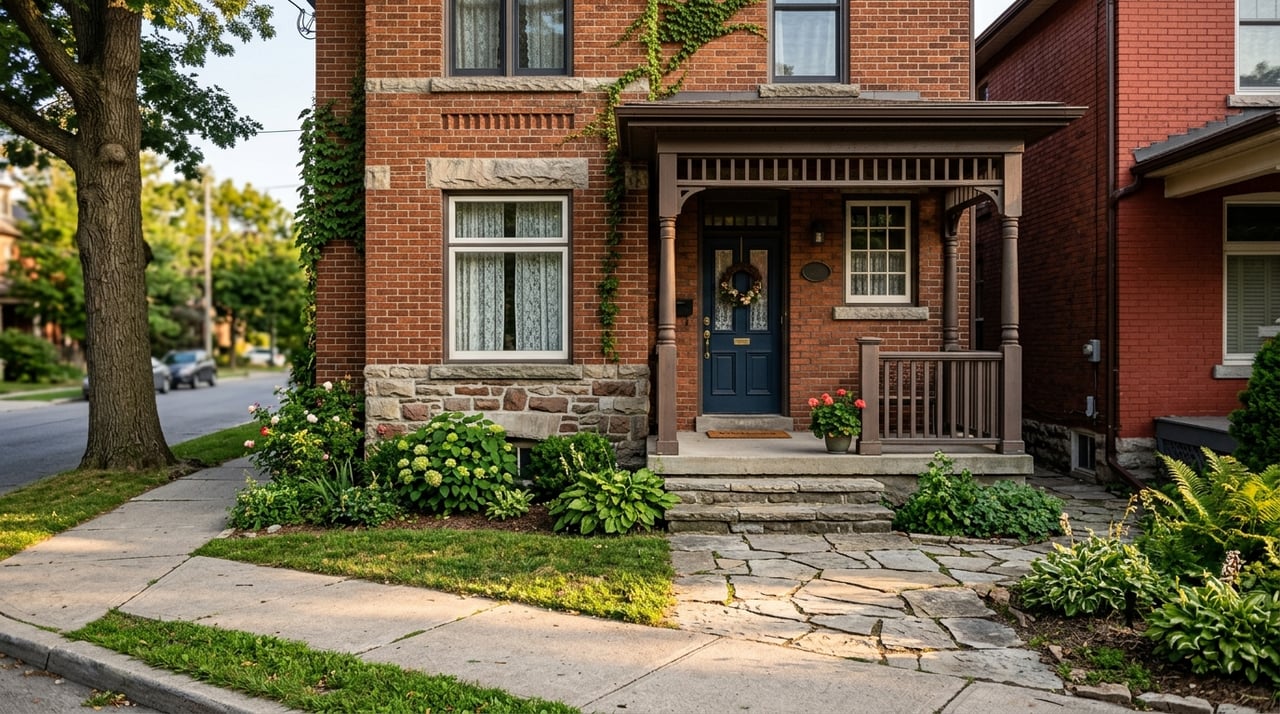
This side of Scott Township is one of the clearest places to see older housing patterns. The township identifies Greentree Road as one of its older routes and notes substantial 19th-century houses along it, while Glendale and Washington Avenue are tied to older local development and more vernacular housing.
If you are drawn to homes with a little more age and architectural variety, this area may stand out. You may also notice older road geometry and a more mixed-age building stock compared with the township's more typical suburban blocks.
Lindsay Road and the Municipal Core
Around Lindsay Road, you are close to several of the township's central public amenities. The municipal building and Scott Township Public Library are both at 301 Lindsay Road, and Scott Park and the pool are nearby as major recreation anchors.
This area also connects to Carothers Avenue, which the zoning ordinance identifies as an older established business area. In practical terms, that means some nearby residential streets are close to township services, neighborhood conveniences, and a more central day-to-day hub.
Bower Hill, Rockhill, Somerville, Vanadium, and Painters Run
This broader section reads more like what many buyers picture when they think of suburban Scott Township. Road-improvement planning and PennDOT notices repeatedly reference streets like Bower Hill Road, Rockhill Road, Somerville Drive, Alden Drive, Rose Leaf Road, Manorview Road, Wynnecliffe Drive, Vanadium Road, and Painters Run.
Combined with the township's strong R-1 and R-2 zoning presence, this suggests a large area of detached-home neighborhoods with some denser residential pockets and small commercial nodes along main roads. If you want a more classic suburban layout, this is often the part of the township buyers focus on first.
Kane Boulevard Area
The south-central portion of Scott Township has a different land-use feel because of the Kane Community Living Center at 300 Kane Boulevard. The township history page notes that Kane Hospital dominates this part of the township.
That does not mean the surrounding area is not residential, but it does mean the setting can feel more institutional than other pockets. Service traffic, nearby land use, and the overall street character may differ from quieter detached-home areas.
Housing Styles You Can Expect
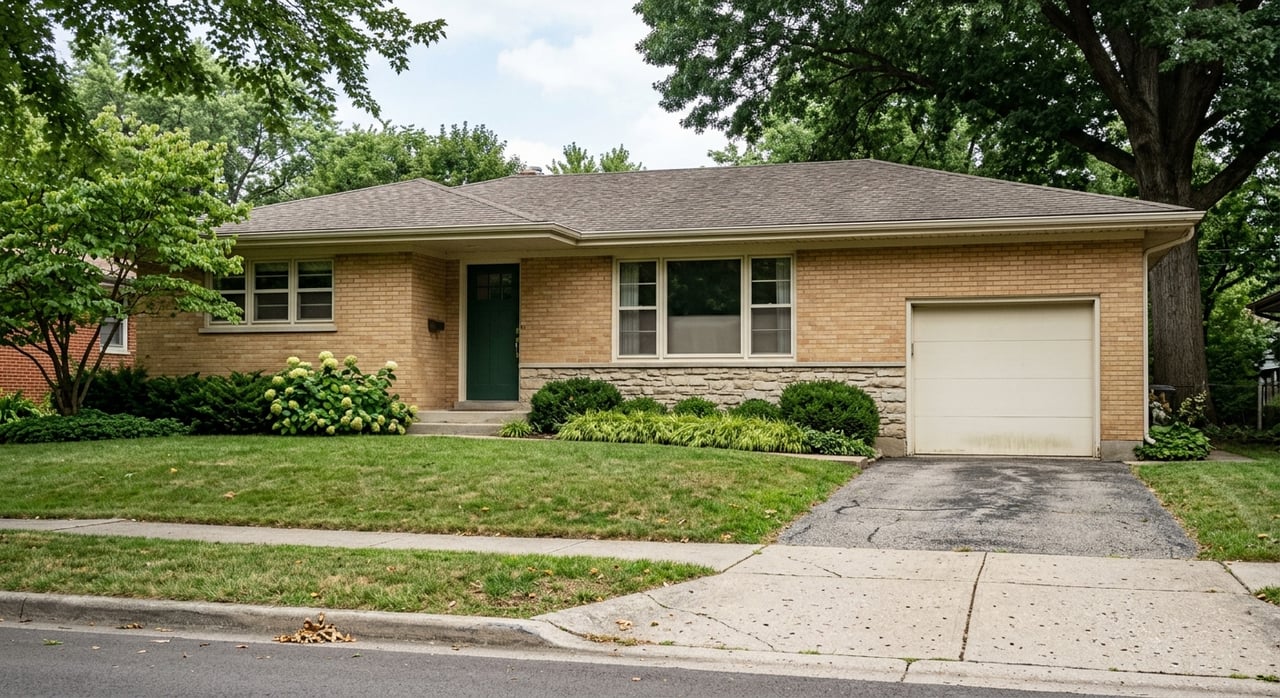
Scott Township's housing stock is not all one thing, and that is part of what makes it appealing to a wide range of buyers. Based on the township history and zoning framework, you can generally expect a mix of older individual homes, mid-century tract housing, and smaller pockets of townhouses and apartment-style residences.
The history page specifically mentions a World War II-era defense housing project on Victory Drive, more recent housing on Magazine Street, and older homes such as the Greek Revival-era house at 2335 Old Greentree Road. That is a wide spread of age and style for a relatively compact township.
What R-1, R-2, and R-3 Mean
If you are looking at Scott Township homes, zoning gives useful clues about what the surrounding area may feel like.
R-1 areas
R-1 is the township's most common residential district and is meant principally for single-family homes. The ordinance sets a minimum lot size of 7,200 square feet per dwelling unit, a minimum width of 60 feet, a 30-foot front setback, a 25-foot rear setback, and a 40% maximum lot coverage.
In plain English, R-1 tends to support the most conventional detached-home neighborhoods. These are often the areas where you see the strongest single-family suburban pattern.
R-2 areas
R-2 is primarily for single-family and double-family housing. The ordinance allows a minimum lot size of 6,000 square feet for a single-family home and 7,500 square feet for a two-family structure, with a 25-foot front setback, a 20-foot rear setback, and 40% maximum lot coverage.
For buyers, that often translates to a little more flexibility and potentially slightly denser or older residential blocks. It can also help explain why one street may feel more compact or mixed than the next.
R-3 areas
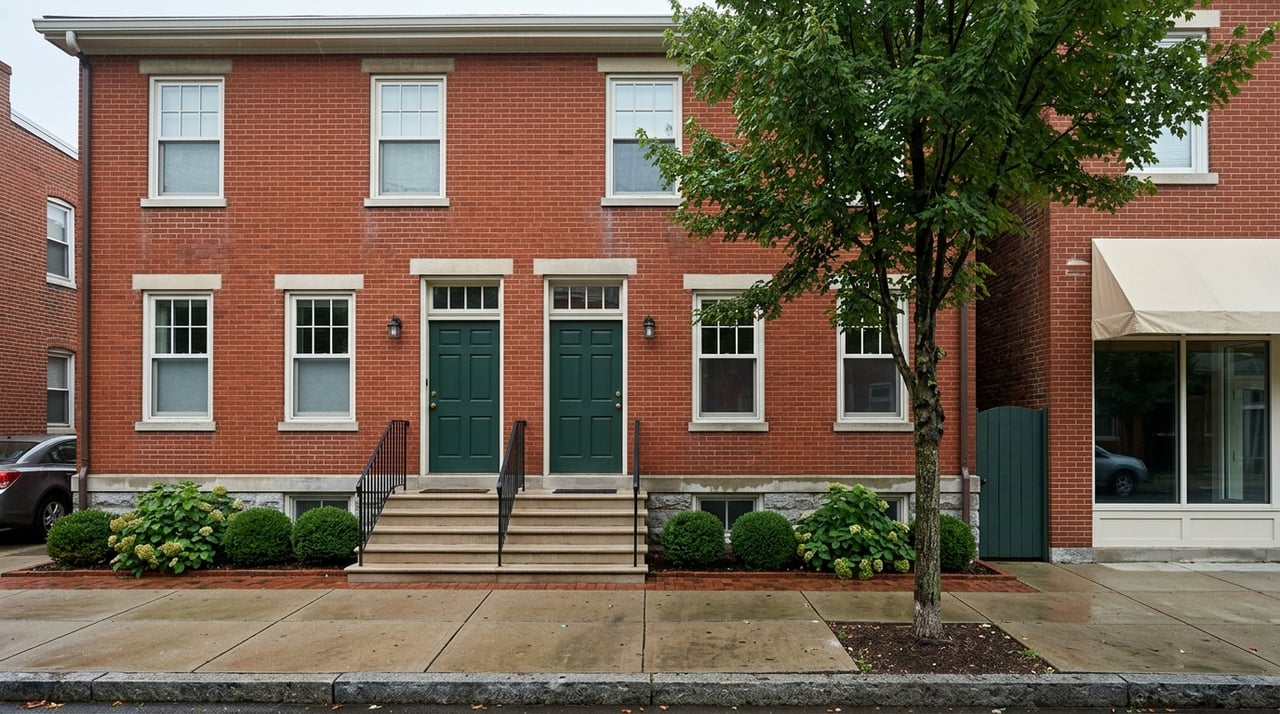
R-3 is intended for medium-to-high-density multi-family development, especially townhouses and garden apartments. The ordinance includes townhouse lots at 1,800 square feet per unit, garden dwellings at 1,500 square feet per unit, multi-story multi-family at 800 square feet per unit, 25-foot setbacks, and 50% maximum lot coverage.
These pockets are not spread evenly across the township. The zoning map shows them in smaller clusters, which is why Scott Township can still feel predominantly single-family overall while offering some townhouse and apartment-style options.
Access and Commute Considerations
Access is one of Scott Township's practical strengths. The main corridors to know are Route 50, also known as Washington Pike or Washington Avenue, Cochran Road, and Greentree Road.
PennDOT project information shows Route 50 as both a shopping-access corridor and a connection point toward I-79. Work has also been identified along sections of Route 50 between Vanadium Road and the I-79 ramps, which reinforces its importance for daily travel and regional access.
Cochran Road is another important connector on the east side of the township. PennDOT has also identified work on Greentree Road, which matters because it serves as a key route along the township's northern side.
Scott Township also sits in the Parkway West and I-376 context near Vanadium Drive and Chartiers Creek. For many buyers, that is part of the appeal because it supports access toward Pittsburgh and the broader western corridor.
Everyday Convenience and Amenities
When you are choosing where to live, convenience is not just about commute time. It is also about where daily services, parks, and public resources are located.
The commercial zoning pattern in Scott Township helps with that. The ordinance says C-1 is intended for small convenience-shopping areas near residential neighborhoods and major streets, while C-2 supports a broader mix of retail and services, and C-2-A applies to older established business areas such as Carothers Avenue.
For recreation, Scott Park is the township's main hub, with the pool and multiple park facilities nearby. The township also lists other parks and play areas, including Gregg Street Park, Larsen Park, Meadowlark Park, Municipal Park, Patty's Park, Sampson Park, Sillview Park, and Spinner Field Playground.
The public library and municipal building on Lindsay Road add another practical benefit to the township's central area. Together, these amenities help explain why some buyers prioritize proximity to the Lindsay Road core even if they are also considering homes in other parts of Scott Township.
What Buyers Should Watch Street by Street
In Scott Township, it helps to evaluate homes with a very local lens. Because the terrain is rolling and the housing stock spans different eras, two homes with similar price points can offer very different lot usability, street feel, and access patterns.
As you compare areas, pay attention to:
- How steep the approach and driveway feel
- Whether the street pattern is older and more irregular or more suburban and planned
- How close the home is to a main corridor like Route 50, Greentree Road, or Cochran Road
- Whether the surrounding zoning suggests mostly detached homes or a more mixed residential setting
- How near you are to parks, the library, municipal services, or neighborhood commercial areas
Those details can shape your day-to-day experience just as much as square footage or bedroom count.
Why This Matters for Your Home Search
Scott Township offers real variety in a relatively small footprint. That can be a real advantage if you want options, but it also means broad descriptions of the township only tell part of the story.
The best approach is to narrow your search by micro-area, housing type, and access priorities. When you understand how the township is organized, it becomes much easier to separate the streets that simply look good online from the ones that truly fit your routine and goals.
If you want help comparing Scott Township pockets, understanding how one block differs from another, or building a clear plan for your move in the South Hills, Theresa Doran can help you move forward with calm, organized guidance.
FAQs
What types of homes are common in Scott Township?
- Scott Township includes a mix of older individual homes, mid-century tract housing, and smaller pockets of townhouses, garden apartments, and other multi-family housing.
What is the main residential pattern in Scott Township?
- The township is mostly residential, with broad R-1 zoning for single-family homes, smaller R-2 areas for single- and double-family housing, and limited R-3 pockets for denser townhouse and apartment-style development.
What roads matter most for access in Scott Township?
- The main access corridors are Route 50 or Washington Pike, Cochran Road, and Greentree Road, with the Parkway West and I-376 context near Vanadium Drive adding regional connectivity.
What part of Scott Township feels most central for amenities?
- The Lindsay Road area functions as a central service hub because it includes the municipal building, public library, Scott Park, and nearby convenience-oriented commercial areas.
What should buyers compare when touring Scott Township homes?
- Buyers should compare lot slope, road pattern, proximity to major corridors, surrounding zoning, and access to parks, services, and commercial areas because those factors vary noticeably across the township.