Buying your first home in Dormont can feel exciting one minute and overwhelming the next. You may be trying to balance price, monthly costs, inspections, and location details all at once, especially in a borough where older homes, walkability, and parking can all shape the right choice. The good news is that with a clear plan, you can move forward with more confidence and fewer surprises. Let’s dive in.
Why Dormont Appeals to First-Time Buyers
Dormont offers a lot in a small footprint. The borough has 7,922 residents within just 0.76 square miles, and the homeownership rate is 61.5%. It is known locally as a walking community with a business district, parks, pool access, the Red Line light rail, and bus service.
For many first-time buyers, that mix can be a real draw. You may be able to find a home in an established neighborhood with access to shops, transit, and daily conveniences. In a place like Dormont, though, location is about more than the address itself. Your block, parking setup, and commute pattern can matter just as much as the square footage inside.
Dormont is also a mostly built-out borough with about 5% residential vacancy, according to the 2025 comprehensive plan. That tells you something important as a buyer: options may not sit around for long, and flexibility can help.
Start With a Real Budget
Before you tour homes, get clear on what you can comfortably afford. A smart first step is checking your credit, deciding on a price range, and gathering paperwork for your loan application. That early prep can help you avoid chasing homes that do not fit your numbers.
It also helps to remember that the price on the listing is not the full cost of buying. Closing costs usually run about 2% to 5% of the purchase price, not including your down payment. In Allegheny County, Dormont properties also have a total realty transfer tax of 2%, which includes 1% state tax, 0.5% municipal tax, and 0.5% school district tax.
Monthly ownership costs matter too. Census data lists Dormont’s median selected monthly owner cost at $1,747 with a mortgage and $627 without one. That does not mean your payment will match those figures, but it can be a helpful reality check as you build your budget.
Understand Dormont Property Taxes
Property taxes are an important part of your monthly housing cost in Dormont. The borough currently lists a combined rate of 40.8442 mills, which equals about $40.84 per $1,000 of assessed value. That total includes borough, county, and Keystone Oaks School District millage.
Because the school millage is set on a fiscal-year cycle at the end of June, it is worth verifying the latest rate when you run your numbers. This is one of those details that can affect affordability more than buyers expect at first glance.
If the home will be your primary residence, you may also qualify for Allegheny County’s Homestead/Farmstead Exclusion. That program removes the first $18,000 of assessed value from county taxation and is described by the county as saving most constituents $115.74 per year in county taxes. The application deadline is March 1, and qualifying also activates the Act 1 school-tax exclusion.
Look Into First-Time Buyer Assistance
Some first-time buyers in Dormont may qualify for help through 1st Home Allegheny. For eligible buyers outside the City of Pittsburgh, the program offers either $10,000 or $45,000 in loan assistance, depending on income.
The program also has clear requirements. You need preapproval, HUD-certified homebuyer education, at least $1,000 or 1% of the purchase price, less than $40,000 in non-excluded assets, and two months of mortgage-payment reserves. If you want to use assistance like this, it helps to align your home search and offer strategy with those rules from the start.
Know What Homes in Dormont Are Like
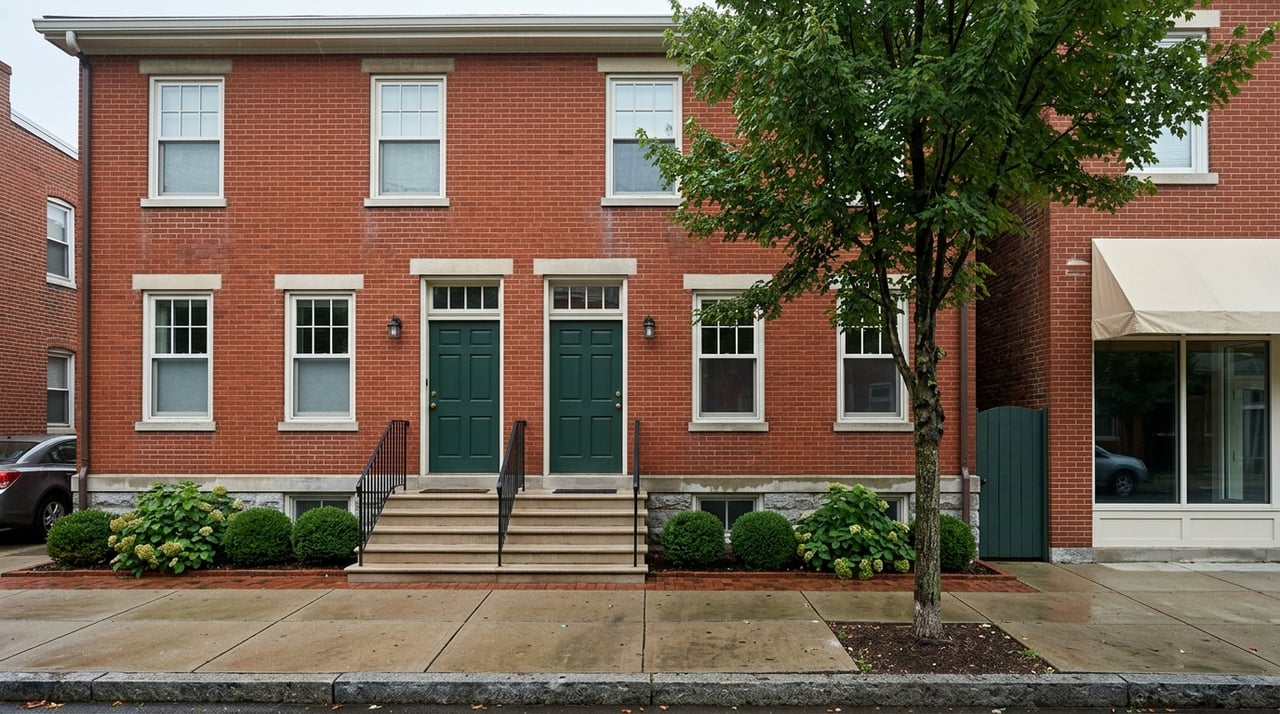
Dormont’s housing stock is one of its biggest strengths, but it also calls for thoughtful due diligence. The borough’s comprehensive plan says the housing is mostly single-family detached, with meaningful multi-family housing and a higher share of 2- and 3-unit dwellings than many nearby communities.
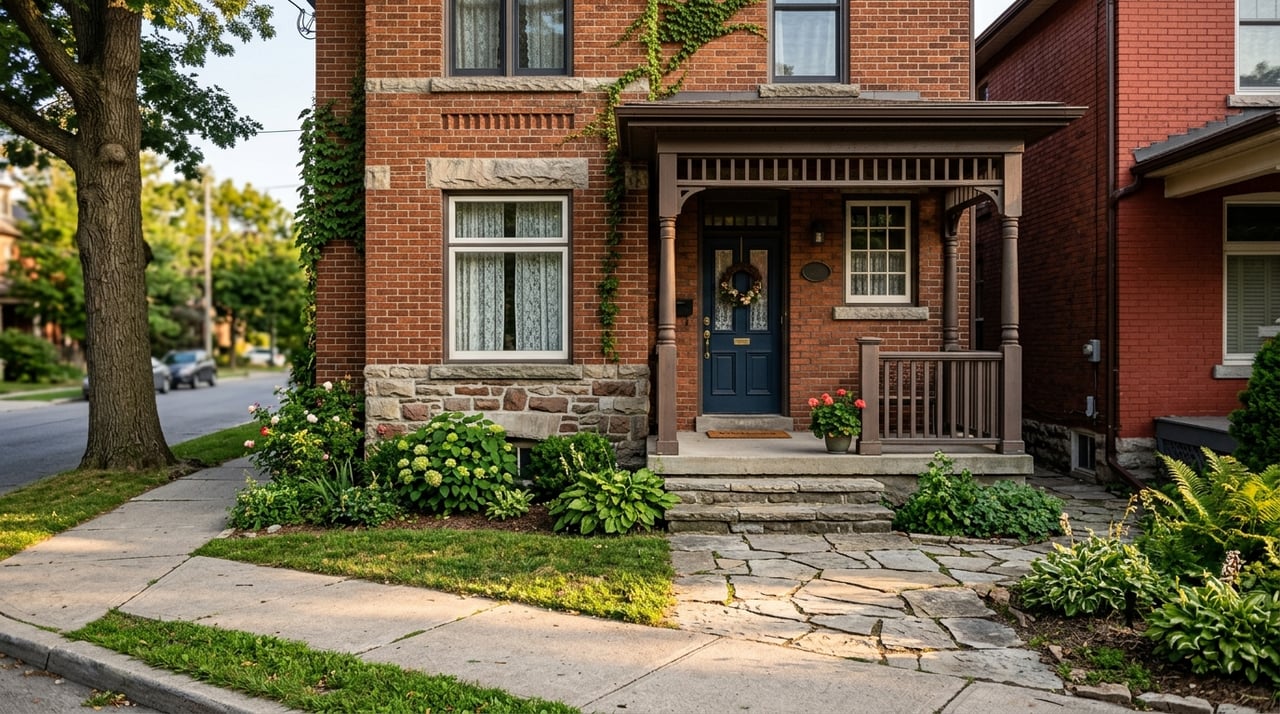
Just as important, about 96% of homes in Dormont were built before 1980. For you as a first-time buyer, that often means charm, established streets, and solid location benefits. It can also mean older roofs, aging mechanical systems, moisture concerns, or past updates that need a closer look.
This does not mean older homes are a problem. It simply means you want to go in with open eyes, a solid inspection plan, and room in your budget for maintenance over time.
Focus on the Right Inspection Priorities
In Pennsylvania, sellers are required to disclose known material defects. The state disclosure form covers major categories like the roof, basements and crawl spaces, pests, structural issues, additions and remodeling, water and sewage systems, plumbing, heating and air conditioning, electrical systems, hazardous substances, and title issues.
That makes inspections especially important in a place like Dormont, where older homes are common. A home inspection in Pennsylvania is a noninvasive visual examination of visible and apparent conditions. It is not a warranty and it is not an appraisal.
For many Dormont buyers, these are smart areas to pay close attention to:
- Roof condition and age
- Basement or crawl space conditions
- Moisture or drainage concerns
- Plumbing updates
- Electrical updates
- Heating and cooling systems
- Any additions, renovations, or alterations
It is also wise to schedule your inspection as soon as possible after you go under contract. That gives you time to review findings, ask questions, and decide whether to negotiate repairs or credits under your inspection contingency.
Make Radon Part of the Conversation
Radon should be treated as a normal part of the home-buying process. Pennsylvania DEP says the commonwealth is particularly prone to radon, and roughly 40% of tested homes exceed the EPA action level of 4 pCi/L.
The key point is simple: testing is the only way to know. DEP says a home test kit typically costs about $20 to $30, and Pennsylvania requires DEP certification for radon testing, mitigation, and lab work. If you are buying in Dormont, ask about radon testing early so it fits smoothly into your inspection timeline.
Think About Parking Before You Offer
Dormont’s compact layout is part of its appeal, but it also means parking should not be an afterthought. The borough uses permit parking and street sweeping on many blocks.
If you rely on street parking, ask how parking works on the specific street before you make an offer. A home that looks perfect online can feel very different if daily parking is difficult for your routine. In Dormont, practical details like this can shape your day-to-day experience as much as the house itself.
Follow a Simple Buying Timeline
When you buy your first home, clarity comes from taking one step at a time. A straightforward path looks like this:
- Check your credit and prepare finances
- Get preapproved
- Search and tour within your real budget
- Make an offer
- Schedule inspections quickly
- Negotiate repairs or credits if needed
- Clear appraisal and financing
- Complete the final walk-through
- Close on the home
In Dormont, this process works best when you stay grounded in the borough’s local realities. Because it is compact, dense, mostly built out, and filled with older homes, your decision should factor in condition, location, parking, and commute at the same time.
Keep Your Search Clear and Practical
It is easy to get distracted by cosmetic features when you start touring homes. A better approach is to separate your must-haves from your nice-to-haves before you begin.
For example, you may decide that your true priorities are transit access, workable parking, a certain monthly payment, and a home with manageable repair needs. Once those are clear, it becomes easier to compare options without feeling pulled in every direction.
This is especially helpful in Dormont, where homes may vary a lot in layout, updates, and condition even within a small area. A clear plan helps you make confident decisions and move quickly when the right fit appears.
Review Closing Numbers Carefully
Closing is the finish line, but it still deserves your full attention. Before you sign, review your final loan documents carefully and make sure the numbers match the earlier estimates closely enough for you to understand any changes.
This final review matters for every buyer, but especially for first-time buyers who are managing many moving parts at once. Staying organized here helps you avoid last-minute confusion and walk into closing with confidence.
Buying your first home in Dormont does not require you to know everything on day one. It helps to have a step-by-step plan, realistic numbers, and local guidance that keeps the process calm and clear. If you are thinking about buying in Dormont and want a steady, organized approach, Theresa Doran is here to help you take the next step with confidence.
FAQs
What should first-time buyers budget for in Dormont besides the home price?
- In addition to your down payment, budget for closing costs that often run about 2% to 5% of the purchase price, plus ongoing costs like property taxes, insurance, and monthly housing expenses.
What are property taxes like for a home in Dormont?
- Dormont currently lists a combined property tax rate of 40.8442 mills, or about $40.84 per $1,000 of assessed value, though buyers should verify the latest school district millage when budgeting.
What types of homes do first-time buyers usually find in Dormont?
- Dormont has mostly single-family detached homes, along with meaningful multi-family housing and a higher share of 2- and 3-unit dwellings than many nearby communities.
Why are inspections so important for older homes in Dormont?
- Because about 96% of Dormont homes were built before 1980, buyers should pay close attention to items like roofs, basements, moisture, plumbing, electrical systems, and any past additions or remodeling.
Should buyers test for radon when purchasing a home in Dormont?
- Yes. Pennsylvania DEP says the state is particularly prone to radon, and testing is the only way to know whether a specific home has elevated levels.
What should buyers ask about parking when considering a home in Dormont?
- If you depend on street parking, ask how permit parking and street sweeping work on that specific block before you make an offer.