If you plan to sell your home in Upper St. Clair in the next 6 to 12 months, timing matters, but preparation matters just as much. You may be wondering whether to wait for spring, tackle updates now, or list sooner and hope the market does the heavy lifting. The good news is that a calm, organized plan can help you make smart choices without rushing, and that is exactly what this guide will walk you through. Let’s dive in.
Understand the Upper St. Clair market
Upper St. Clair is not the same market as Pittsburgh overall, and that difference matters when you build your selling strategy. Public market dashboards show Upper St. Clair in a higher-price, moderate-pace range, with Realtor.com reporting a median home sale price of $535,000, about 50 days on market, 79 active listings, and a 98% sale-to-list ratio in February 2026. Redfin’s March 2026 view also shows that Pittsburgh citywide is slower and lower priced, which is a helpful reminder not to rely on broad regional averages when pricing or preparing your home.
The takeaway is simple: buyers in Upper St. Clair have options. This is not a market where every listing automatically gets immediate, above-asking offers. Your home’s condition, presentation, and pricing still play a major role in how quickly it sells and how strong your offers look.
Start with your target month
If you are 6 to 12 months out, the most useful question is not, “When should I list?” It is, “When do I want to be fully ready?” That small shift can make the entire process feel more manageable.
According to Realtor.com’s 2026 timing report, the best week to list nationally is tied to spring seasonality, and Realtor.com’s media release says homes listed April 12 through 18 historically receive 16.7% more views and sell about nine days faster. That can be useful if your home will truly be ready by then. If not, it is usually better to prepare properly and launch in stronger condition than to rush just to hit the calendar.
A steady selling timeline often looks like this:
- Initial consultation and pricing discussion
- Walk-through to identify repairs and updates
- Decluttering and staging plan
- Vendor scheduling for prep work
- Photography and final showing readiness
- Listing launch
This kind of backward planning helps you stay in control. It also supports a smoother, lower-stress experience once your home goes live.
Focus on high-impact prep first
You do not need to start with a major renovation. In many cases, the best return comes from the basics done well.
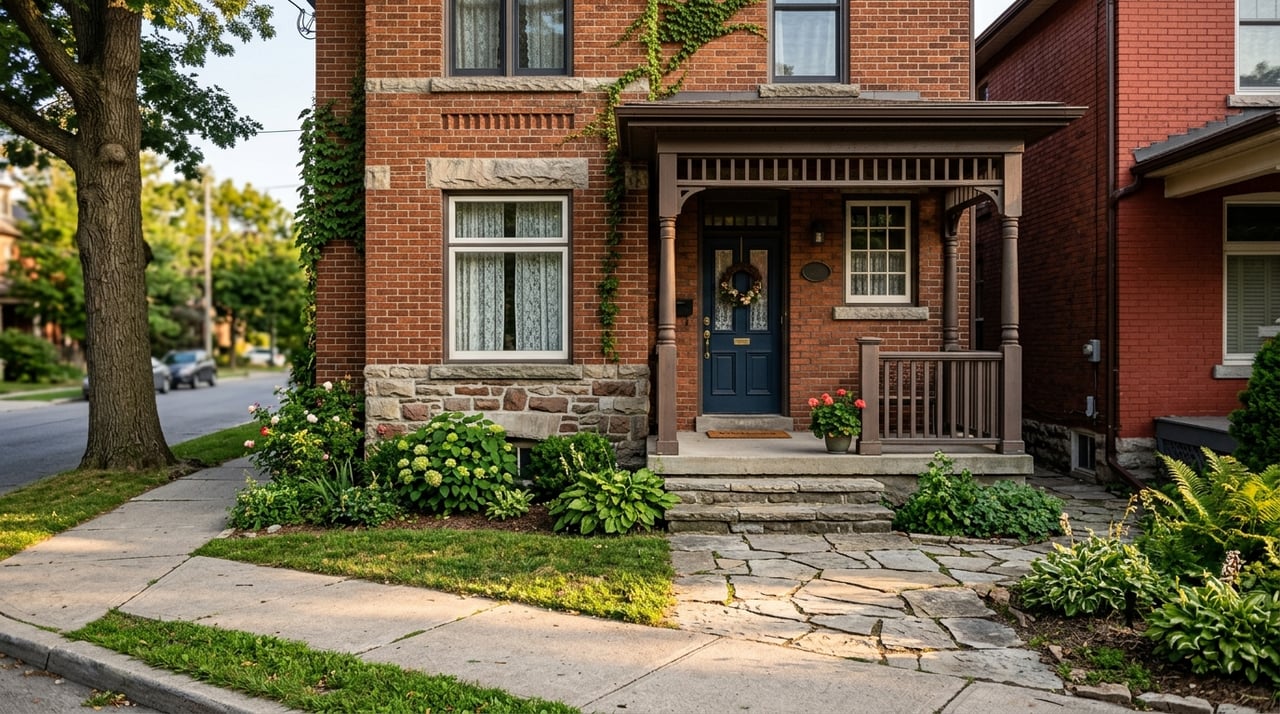
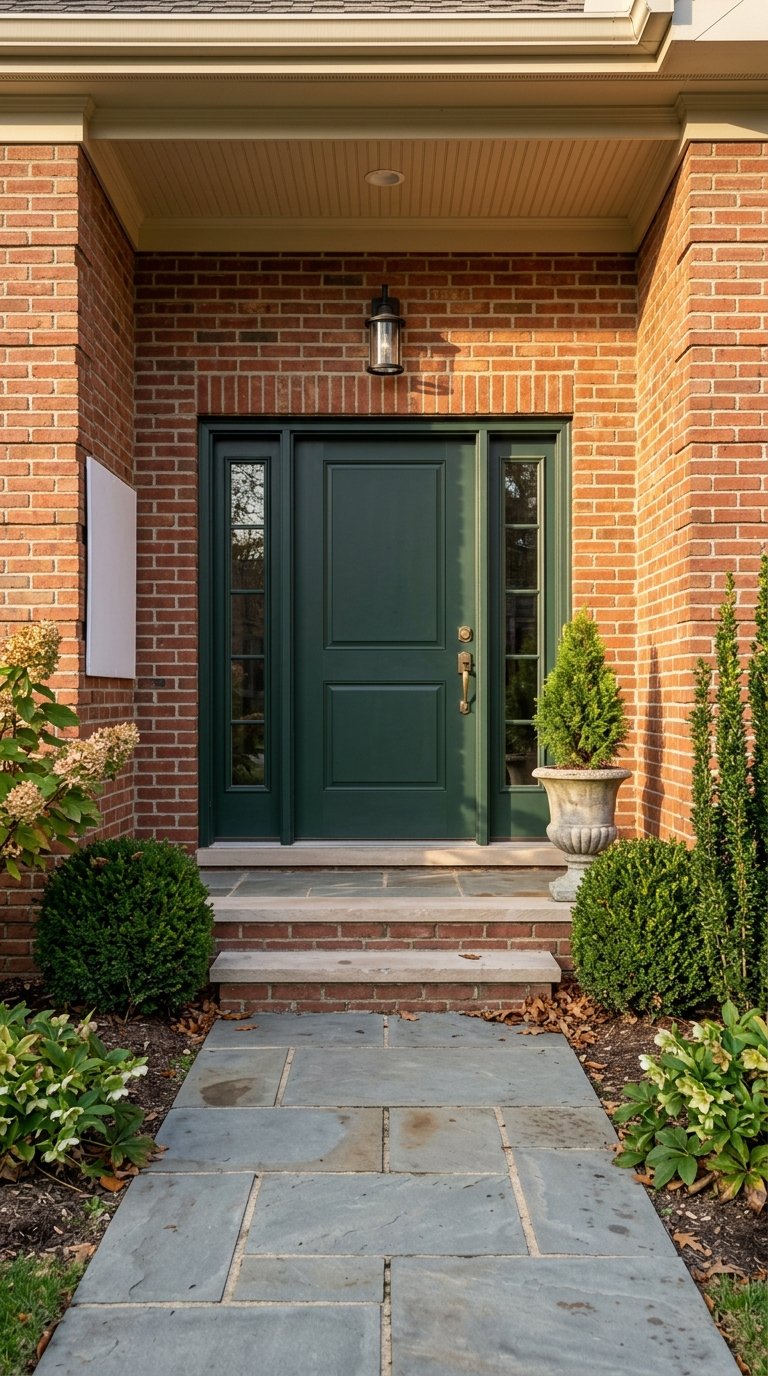
The National Association of Realtors consumer guide recommends practical steps like cleaning windows, carpets, walls, and lighting fixtures, reducing clutter, and improving curb appeal through landscaping, front entry updates, and paint. These are visible changes that help buyers notice the home itself instead of distractions.
For many Upper St. Clair sellers, the best sequence is:
- Deep clean everything
- Fix obvious defects
- Refresh dated or tired finishes
- Review whether any larger project is truly worth it
That order keeps you focused on what buyers will feel and see right away. It also helps you avoid spending heavily in places that may not move the needle.
Skip big remodels unless there is a clear reason
A common seller question is whether they need to renovate before listing. In most cases, the answer is no.
The 2025 Cost vs. Value Report suggests that smaller, visible projects often outperform major remodels at resale. National examples include garage door replacement, steel entry door replacement, manufactured stone veneer, fiber-cement siding, and minor midrange kitchen remodels, while major kitchen and bath additions tend to recoup much less.
That does not mean improvements never make sense. It means you should be selective. If your home has clear wear, deferred maintenance, or a few dated but highly visible areas, a focused refresh may be more practical than a full remodel.
Use staging to help buyers connect
Staging is not about making your home look generic. It is about helping buyers understand the space quickly and clearly.
According to the NAR 2025 home staging snapshot, 83% of buyers’ agents said staging makes it easier for buyers to visualize a property as a future home. The same survey found that staging affects buyer perception in a meaningful way for many buyers.
That matters in a market like Upper St. Clair, where homes may spend several weeks on the market and buyers can compare multiple options. Clean lines, good furniture placement, and simple styling can make room sizes, layout flow, and natural light feel more obvious online and in person.
Consider a pre-sale inspection strategically
A pre-sale inspection is optional, but it can be useful if you want fewer surprises later. The NAR seller prep guide notes that it can help identify issues you may want to address before buyers see them.
This can be especially helpful if your home is older, if you know there have been repairs over the years, or if you want more confidence going into pricing and disclosure. It does not mean you must fix everything. It simply gives you better information so you can make informed decisions early.
Organize disclosure paperwork early
One of the easiest ways to reduce stress later is to start your paperwork file now. In Pennsylvania, sellers of residential real property must disclose known material defects on the state property disclosure statement before the agreement of transfer is signed, as outlined in Pennsylvania law.
The statutory disclosure topics include items such as the roof, basement, structural issues, additions and remodeling, plumbing, HVAC, electrical, drainage, water and sewage, pests, hazardous substances, and homeowners associations. That is why it helps to gather records early instead of scrambling once your home is under contract.
A simple seller file should include:
- Repair and maintenance records
- Contractor invoices and contact information
- Warranties
- Appliance and system manuals
- Notes on roof, HVAC, plumbing, electrical, or moisture-related issues
The NAR prep guide also recommends locating warranties and manuals for systems and appliances that will stay with the home. This small step can make your transaction feel much more organized from the start.
Price for today’s competition
Pricing is where strategy and realism need to meet. In Upper St. Clair, public dashboards point to a market with moderate speed and buyer choice, not a market where pricing too high is automatically forgiven.
Current Upper St. Clair market data shows homes taking around 50 days to sell, while the broader Pittsburgh market is slower and sees more price drops. That supports a pricing approach based on your home’s present condition, current competition, and buyer expectations, rather than a wish number.
A strong list price should reflect:
- Your home’s current condition
- How it compares with active competition
- Whether updates or staging improve marketability
- The pace of buyer activity at the time you list
The goal is not just attention. It is the right attention from serious buyers.
Make showings easy to repeat
Once your home is on the market, the best showing plan is one you can repeat without chaos. The NAR showing checklist recommends simple steps like clearing counters, wiping surfaces, opening window treatments, turning on lights, swapping towels, neutralizing odors, hiding valuables and medications, and taking pets out before showings.
The key is to create a routine that feels doable. When your home is consistently clean, bright, and low-friction to show, you give buyers a better experience and make the selling process easier on yourself too.
Your best strategy: prep first, then launch
If you are planning to sell in Upper St. Clair, the strongest strategy is usually not about chasing the perfect week. It is about choosing your target month, working backward, and getting your home fully ready before it hits the market.
That approach fits this local market well. Buyers have choices, homes are not all moving instantly, and thoughtful preparation can help your listing stand out in a calm, confident way.
If you want a clear plan for timing, prep, pricing, and next steps, Theresa Doran offers calm, organized guidance to help you move forward with confidence.
FAQs
Should I wait until spring to sell my home in Upper St. Clair?
- If your home will be truly market-ready by mid-April, that timing may align well with national seasonal trends, but if you still need repairs or prep, it is usually smarter to finish the work first and list when the home is ready.
Do I need to renovate before selling a home in Upper St. Clair?
- No. Smaller visible improvements like cleaning, repairs, paint, curb appeal, and minor updates often make more sense than a major remodel.
What matters most before showings in Upper St. Clair?
- Cleanliness, decluttering, bright rooms, fresh surfaces, neutral odors, and a simple routine you can repeat consistently matter most.
What paperwork should I gather before selling a home in Pennsylvania?
- Start collecting repair records, warranties, manuals, contractor information, and details related to known material defects such as roof, plumbing, HVAC, electrical, basement, drainage, or moisture issues.
How should I price my Upper St. Clair home for today’s market?
- Price should be based on your home’s condition, current competing listings, and the pace of the local market, not just on your ideal outcome or broader Pittsburgh averages.