Thinking about selling your Mount Lebanon home but want to keep stress low and results high? You are not alone. With a little planning and a clear sequence of steps, you can move from decision to closing with confidence. In this guide, you will learn what today’s local buyers expect, which updates matter most, how to plan your timeline, and what to watch in offers and closing costs. Let’s dive in.
Know the Mount Lebanon market
Recent market snapshots show Mount Lebanon’s median sale price ranging from the mid to high $300Ks into the $400Ks. Exact figures shift by data source and month, so your best move is to rely on a fresh MLS market analysis tailored to your home’s style and condition. Sale-to-list ratios often land in the high 90s, and days on market typically run in the multiple weeks range. That means thoughtful prep and accurate pricing still matter.
Buyer interest here is shaped by a few consistent drivers. Many buyers value the highly ranked Mount Lebanon School District, documented through district awards and recognitions you can reference in marketing materials. Walkable amenities along Washington Road in Uptown, parks, and the light rail Red Line stop at Mount Lebanon Station also add everyday convenience that resonates with buyers. For quick community context, explore the municipal site at mtlebanon.org and the district’s awards page.
What buyers look for here
Schools and location context
The Mount Lebanon School District’s performance is an ongoing point of interest for many buyers and agents. When you market your home, link to neutral, factual pages like the district’s awards and recognition instead of making generalized claims. Pair that with clear location highlights such as proximity to Washington Road shops and dining, parks, and the Mount Lebanon Station.
Move-in readiness and systems
Across suburban markets, buyers tend to place a premium on homes that feel move-in ready. Kitchens, bathrooms, and reliable mechanicals often have the strongest impact on a purchase decision. NAR’s remodeling resources suggest targeted kitchen and bath updates usually deliver better value than large, structural overhauls. Review the NAR Remodeling guidance to help set priorities that fit your budget and timeline.
Classic homes, common repairs
Many Mount Lebanon homes were built between the 1920s and 1950s, including Tudor, foursquare, bungalow, and later ranch and split-level styles. With older housing stock, inspections may flag masonry maintenance, older windows, or mechanical retrofits. Use the township’s cultural resource survey to better understand your home’s era and style when planning updates and staging. You can browse the Mt. Lebanon cultural resource survey for helpful background.
Prioritize updates that matter
A calm plan starts with the right order of operations. Tackle the musts, then the maybes.
- Safety and major systems first
- Fix active roof leaks, address electrical hazards, and make sure HVAC and hot water systems run dependably. Buyers and inspectors notice these items immediately.
- Clean, paint, and declutter
- Deep clean, remove visual clutter, and use light, neutral paint. These low-cost steps improve photos and showings right away.
- Curb appeal
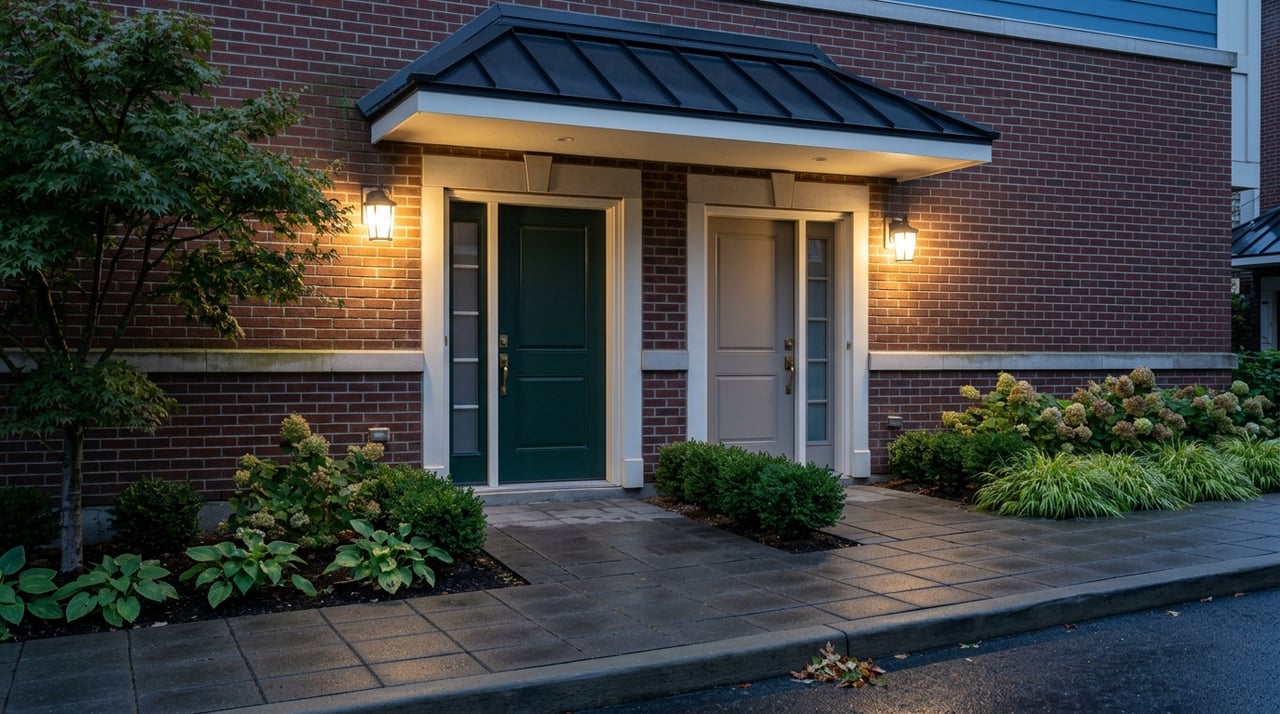
- Fresh mulch, trimmed shrubs, clean walkways and a tidy entry set the tone before buyers step inside. First impressions influence perceived value.
- Targeted kitchen and bath refreshes
- Consider midrange updates like new hardware, lighting, faucet fixtures, re-caulking, or a modest countertop or vanity swap. The NAR Remodeling guidance points to strong buyer appeal for focused improvements.
- Staging and photography
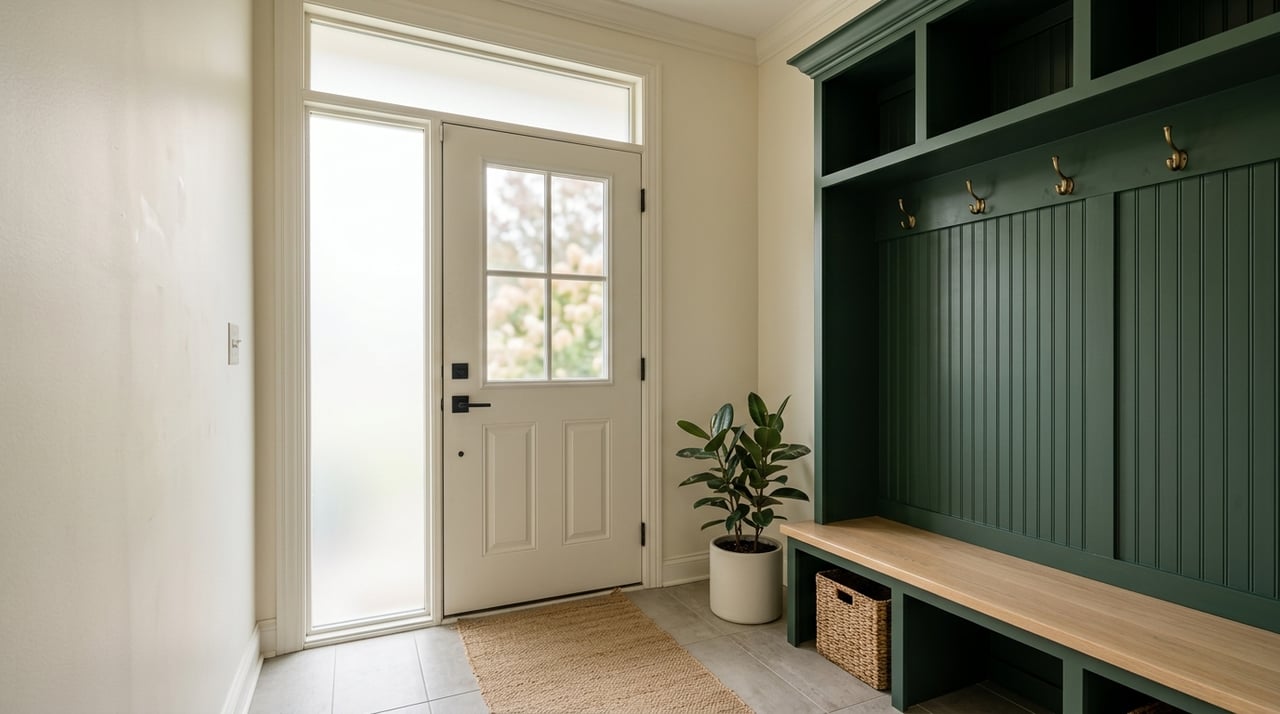
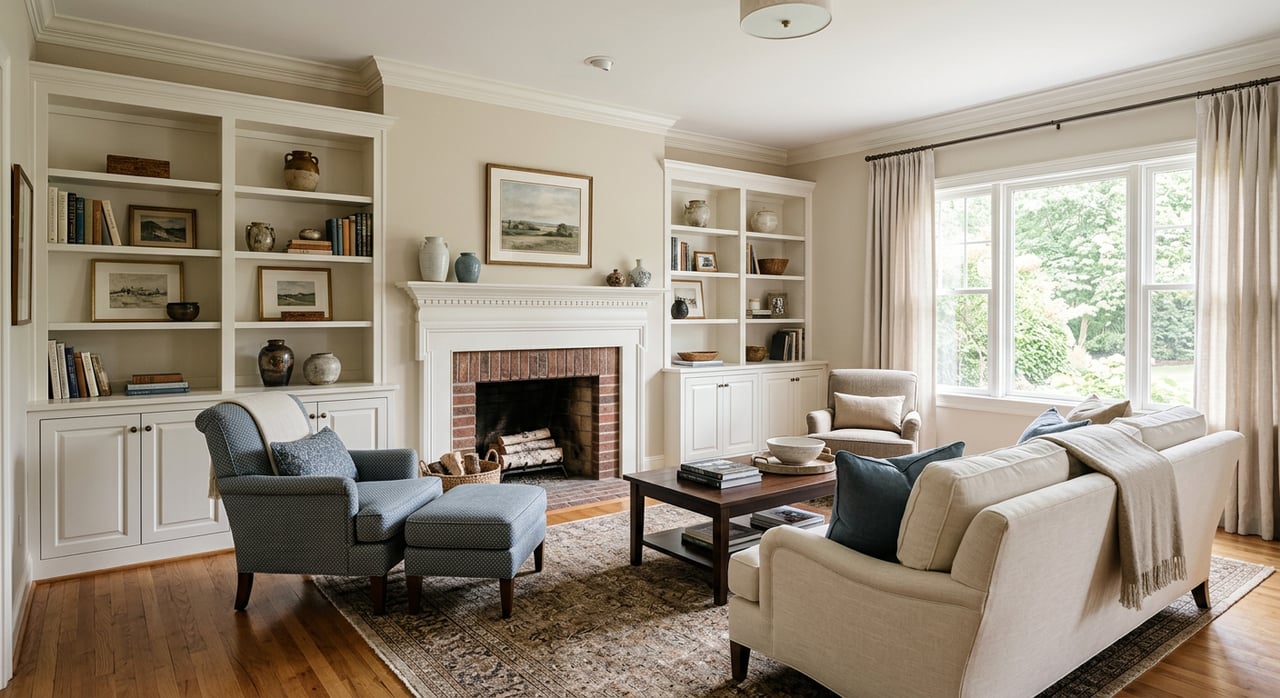
- Staging helps buyers visualize how to use each room. According to NAR’s Profile of Home Staging, 82% of buyers’ agents say staging makes it easier for buyers to picture a property as a future home. The living room, kitchen, and primary bedroom are the best places to start. See NAR’s report for details: 2021 Profile of Home Staging.
Staging, photos, and marketing
Well-staged rooms and professional photography are essential. Online impressions drive in-person showings, so plan for a high-quality photo set and, if your price tier and buyer pool justify it, a 3D tour or video. NAR’s staging research also shows that photos and virtual tours grew in importance after the pandemic, reinforcing the value of a polished launch.
When you or your agent write the listing remarks, highlight location strengths that matter to a broad buyer pool. Reference the school district’s awards, the walkable Uptown business district, and the transit convenience of the Mount Lebanon Station. Keep claims factual and inclusive.
Your calm 6 to 8 week timeline
If you can give yourself 6 to 8 weeks, you will reduce last-minute rushes and costs. If your home needs only light prep, this can compress into 3 to 4 weeks.
6–8 weeks before listing
- Meet with your agent for a pricing and prep plan. Gather service records and warranties. Decide whether a pre-listing inspection makes sense for your situation.
4–6 weeks before listing
- Schedule any needed trades for safety or system items. Deep clean, declutter, and complete paint touchups. Start curb appeal work. Arrange a staging consult and reserve a photographer.
2–3 weeks before listing
- Finish staging key rooms. Prepare seller disclosures and assemble receipts for recent work. If you plan a 3D tour or video, schedule it now.
Listing week
- Go live on the MLS, post to syndication, and host a broker preview or open house if appropriate. The first one to two weekends often bring the most traffic, so be showing-ready.
Tip: Put these tasks into a simple shared calendar so everyone knows who is doing what and by when. A clear checklist lowers stress and keeps you on schedule.
Smart pricing and launch strategy
Anchor your price to recent, nearby comparable sales for homes with similar style, square footage, condition, and updates. If you are in a classic Tudor with original features, compare to similar Tudors rather than newer builds in other neighborhoods. Align your list price and launch window with seasonal patterns and your prep timeline. Then watch early showing feedback closely so you can adjust quickly if needed.
Offer review and closing costs in Mount Lebanon
What to check in every offer
- Price and estimated net proceeds after known closing costs
- Earnest money amount and deposit timing
- Inspection, appraisal, and financing contingencies and timelines
- Buyer financing strength and pre-approval status
- Closing date, occupancy requests, and any lease-back terms
Local closing costs to expect
- Realty transfer tax: Pennsylvania collects a 1% state realty transfer tax. In Mount Lebanon, there are additional local components for the municipality and school district that bring the typical total to about 2.5% of the sale price. Confirm the exact split and who pays with your title company. Learn more at the Commonwealth’s tax rates page and Allegheny County’s local transfer tax table.
- Property tax context: Be prepared to explain tax proration at closing. Municipal, school district, and county millage rates factor into your prorated amount. You can reference current rates on the township’s Tax Office page.
- Title, recording, and settlement fees: These vary by provider and loan type. Ask your agent or title company for an itemized estimate early so you can see your likely net.
Common mistakes to avoid
- Over-improving: Major gut remodels rarely return dollar for dollar. Opt for targeted, midrange updates that support buyer appeal.
- Skipping professional photos: Online first impressions make or break showing activity. NAR’s staging research emphasizes the importance of strong photos and virtual tours. See the 2021 staging report for context.
- Poor timing and planning: Trying to compress big repairs into the week before listing creates stress and cost overruns. Use a calendarized plan instead.
Quick checklist
- 6–8 weeks out: hire your listing agent, gather service records, consider a pre-listing inspection.
- 4–6 weeks out: finish safety and systems work, deep clean, declutter, paint touchups, start curb appeal.
- 2–3 weeks out: stage living room, kitchen, and primary bedroom; book pro photos and a 3D tour if appropriate.
- Listing week: finalize disclosures, launch on MLS, host a broker preview and first showings or open house as appropriate.
- When offers arrive: compare net proceeds, contingencies, and timelines side by side. Consult your agent and, if desired, an attorney before signing.
Selling should feel organized, not overwhelming. If you want a clear plan tailored to your Mount Lebanon home and hands-on help coordinating staging, photography, and timing, reach out. Schedule a free consultation with Theresa Doran to start your calm, step-by-step path to sold.
FAQs
How long does it take to prepare a Mount Lebanon home for sale?
- Most sellers can complete a calm, effective prep in 4 to 8 weeks, depending on the scope of repairs, staging needs, and vendor availability.
Which updates have the best return before listing?
- Focus on safety and system reliability first, then targeted kitchen and bath refreshes, fresh paint, decluttering, and curb appeal for high impact at reasonable cost.
How does the Mount Lebanon realty transfer tax work at closing?
- Pennsylvania charges 1% and Mount Lebanon adds local components that typically bring the total to about 2.5% of the sale price, subject to your contract’s cost allocation.
Do I need staging and professional photos to sell well?
- Staging and pro photography help buyers visualize and boost online appeal; NAR reports 82% of buyers’ agents say staging helps buyers picture a property as their future home.
What should I look for when comparing multiple offers?
- Compare net proceeds, earnest money, contingencies, buyer financing strength, appraisal terms, and closing or occupancy timelines to choose the best overall package.